Straight Lines, Broadcasters, and a Brew-Ha-Ha
On our “Doing It While I Can Tour”, I had hoped to meet fellow Parkies from around the globe to see if it was possible to draw anything genuinely positive from a Parkinson’s diagnosis.
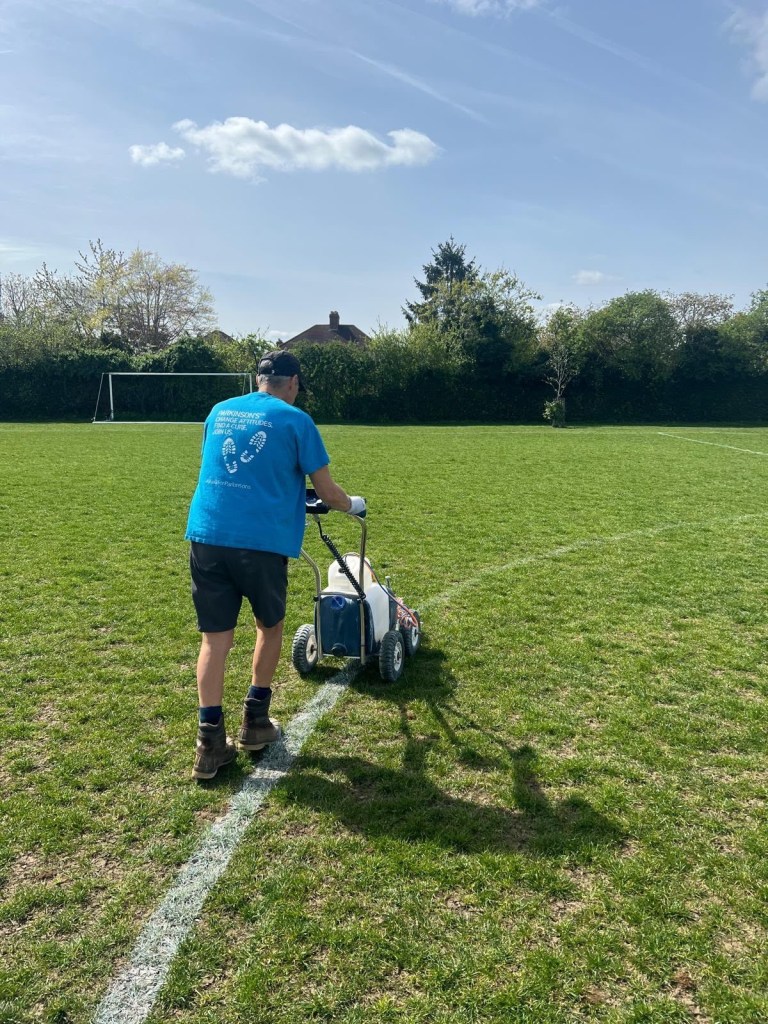
My inspiration came back in May while listening to Jeremy Vine on BBC Radio 2. I was in a remarkably positive mood, strolling around the recreation ground opposite our house, marking out the pitches for the local youth football team. I usually wear my old “Walk for Parkinson’s” t-shirt when line-marking; it makes me feel like a walking advertisement for the charity. Complete with cargo shorts, thick woolly socks, and walking boots, the sun was on my back and I was feeling good as I pushed the line-marker. My lines were straight as a die—not an ‘Ali shuffle’ or a frozen wobble in sight. There’s something deeply zen about leaving a perfectly straight white line in your wake. The only thing more zen than one straight line, is two straight lines and the quiet sense of satisfaction I get when they meet in a crisp, perfect right angle.
On that particular day, Jeremy’s guests were Maria Lewis and Vicky Rees-Davies. Maria is a specialist physiotherapist and founder of Reach Your Peak, with whom I first started exercising for my Parkinson’s. Vicky Rees-Davies (known as The Fitness Mum) is a personal trainer living with Young Onset Parkinson’s, and together they had just launched the Shaking It Up with Parkinson’s podcast.
Toward the end of the interview, Jeremy asked if they thought it was truly possible to “live well” with the condition. Vicky spoke about an extraordinary client of hers, Sally Stump, who has navigated bowel cancer and depression alongside an Early Onset Parkinson’s diagnosis. Despite these formidable health challenges, Sally has frequently gone on record discussing why she feels she is “living her best life,” using a dedicated strength and movement regime to reclaim joy and physical confidence.
Vicky’s cheery delivery, however, sparked a bit of an online brouhaha in the Parkinson’s community. The suggestion that someone could be thriving—or that a diagnosis might lead to new, life-enriching opportunities—was met by some with noticeable friction. To many commenters online, it felt as though the harsh reality of living with Parkinson’s was being trivialized.
Reading through the comments on the Movers and Shakers Facebook group made me think of tuning into morning debate shows on Radio 5, only to turn off after five minutes feeling depressed because the only people motivated to call in are the ones who were thoroughly hacked off. Why is it that people put their heads above the parapet so readily when they are outraged, while those who feel fine are happy to coast along without comment?
Finding the Balance
Down the rabbit hole of those Facebook comments, I found myself in what felt like a Dave Gorman “Found Poem.” A chorus of voices focused on the relentless challenges of their symptoms, expressing genuine outrage that anyone with the condition could have the temerity to enjoy their life while others were enduring such a miserable existence.
Now, I am in no way suggesting that this is a complete or balanced summary of every comment made—I’m sure there were plenty of supportive ones, too. And yes, I’m embellishing slightly for comedic effect (I hope). But reading those posts made me genuinely frustrated that one person’s positivity was being treated as evidence that they didn’t know what they were talking about—or that living a rich, fulfilling life despite this disease was somehow a myth.
I know full well that many people with Parkinson’s suffer from a far more severe set of symptoms than I currently do, making their daily lives exponentially harder than mine. My own symptoms can certainly throw a spanner in the works on occasion, but I am determined to stay active: to exercise, write these blogs, paint white lines, play walking football, raise funds for Parkinson’s UK, be a present husband and dad, walk the dog, and say yes to things I never would have attempted before my diagnosis.
For me, trying to live my best life isn’t about being glib or denying reality; it’s an essential strategy for my mental health. If I don’t maintain that outlook, and things do start to go downhill—which, let’s face it, is a real possibility with a progressive disease despite our best efforts—I honestly don’t think I’d cope very well.
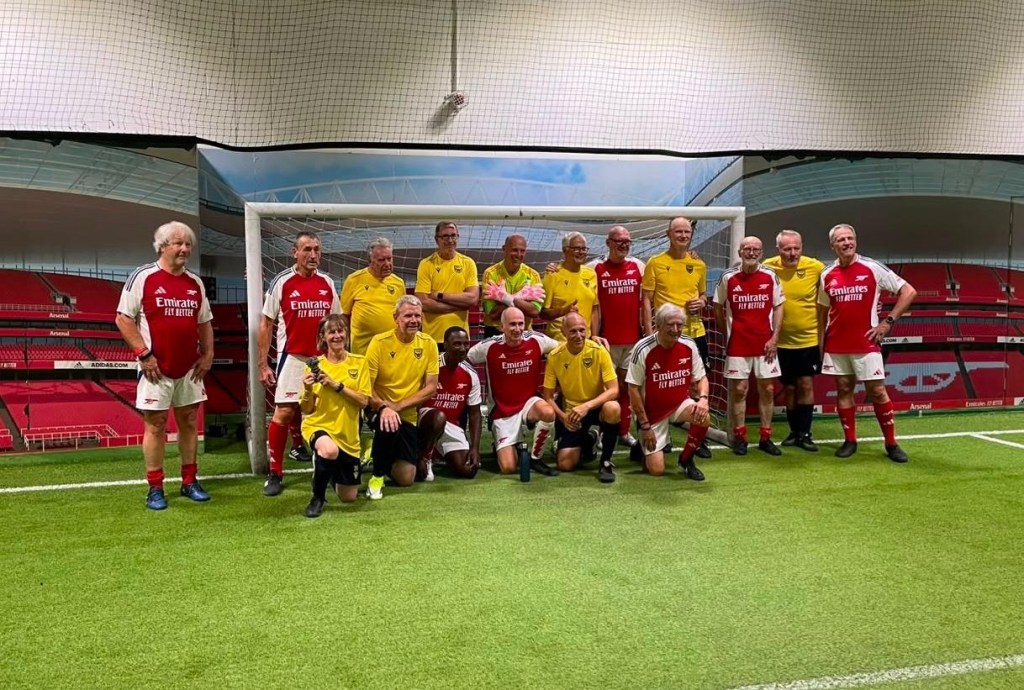
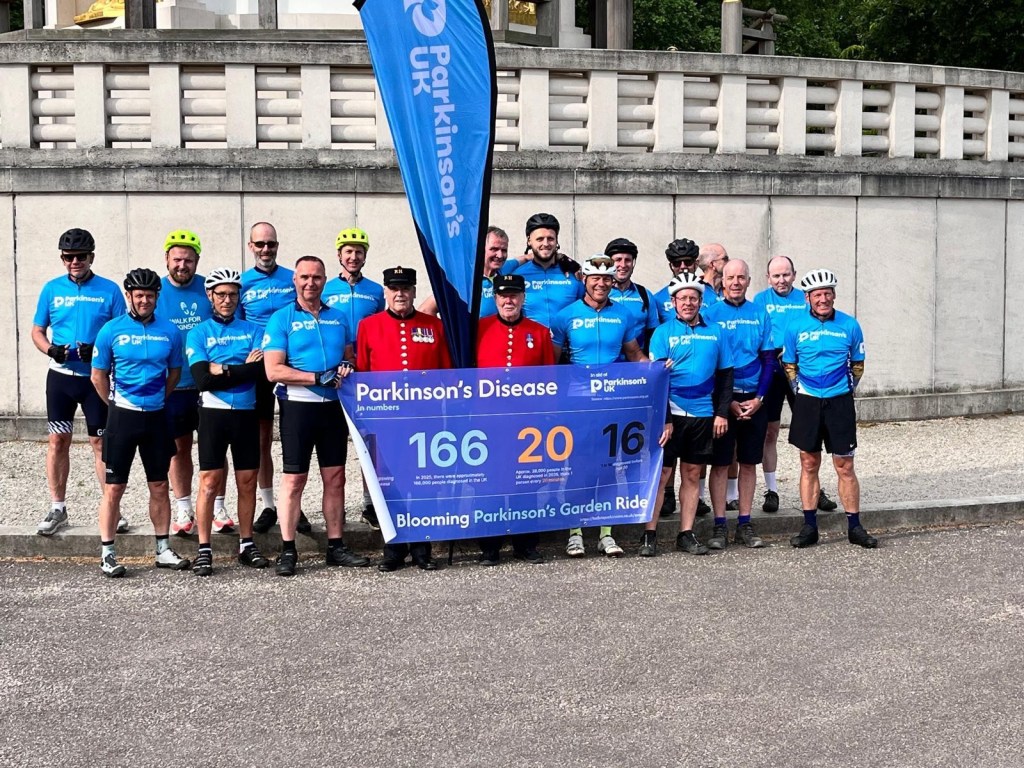

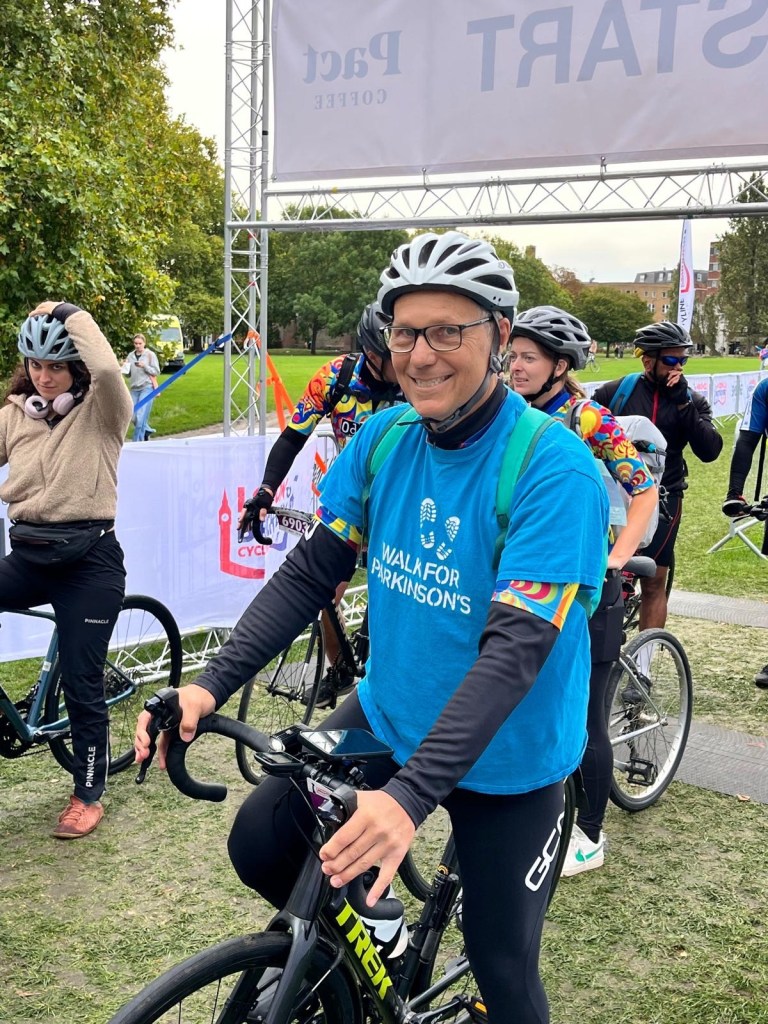
I can say with complete honesty that while having Parkinson’s is certainly not a bed of roses, I share that positive outlook with Vicky’s client. A whole new world of connections and opportunities has opened up since my diagnosis that simply wouldn’t exist otherwise. And that was precisely why I set out on this tour: to meet complete strangers, compare notes, and ask the question: Is it really possible to live your best life with this disease, or are we just kidding ourselves?
Good On Ya
My sample size of two means my conclusions probably aren’t worth the paper they’re written on—but since I’m publishing this on the interweb and still waiting for that Random House contract to put me in print, what the hey.
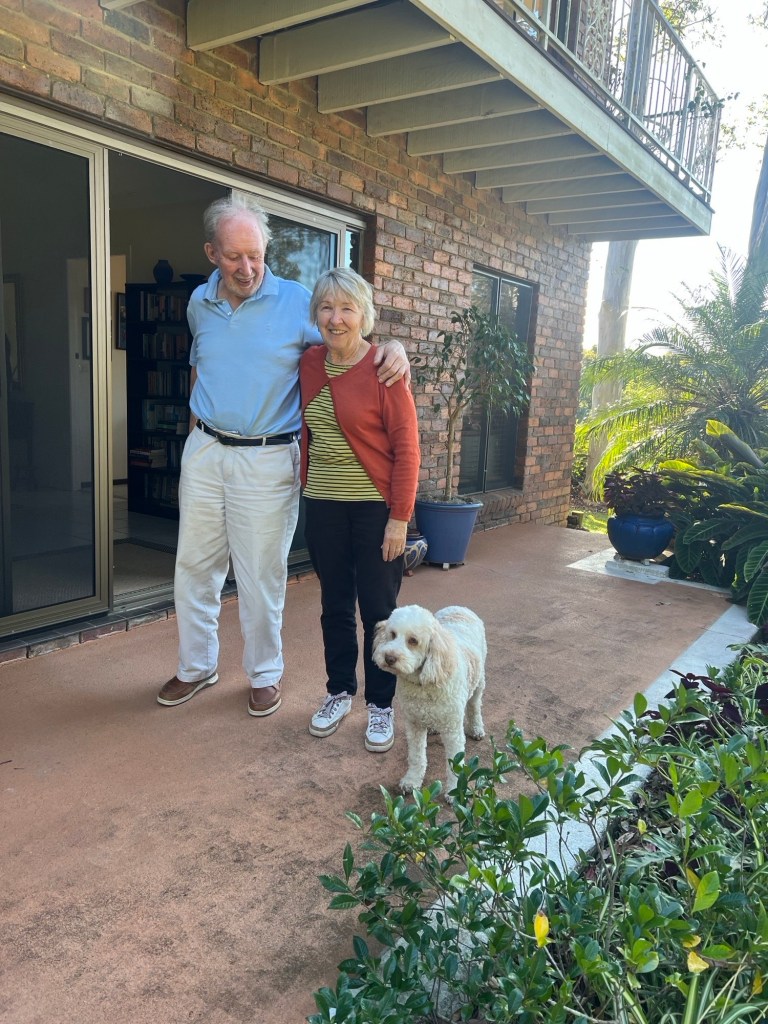
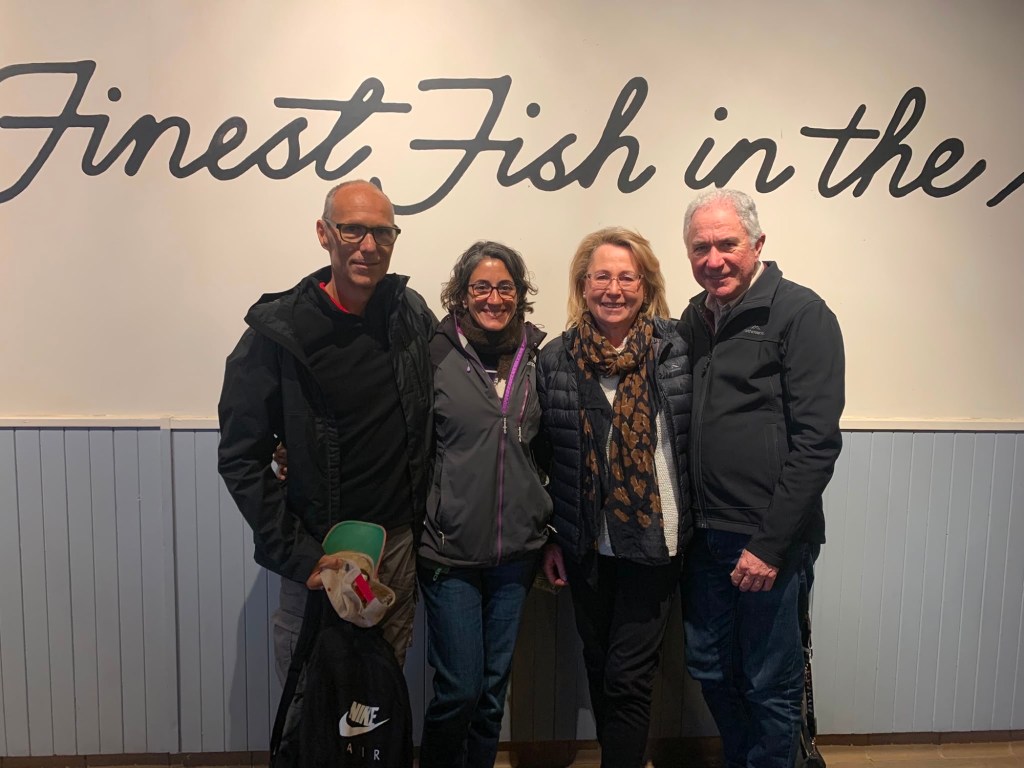
The two fellow Parkies I met on my travels, Darryl and Tony, proved to me that it is possible to live well and stay genuinely optimistic about the future. Sitting down with both of them, sharing our similar experiences, and finding a shared outlook on life gave me real confidence that I am not alone in trying to keep putting my best foot forward.
So, the next time I hear someone say they are striving to live their best life with Parkinson’s, I won’t be throwing cold water on them. I’ll simply say, “Good on ya”—and take whatever tips I can to keep doing exactly the same.
The two fellow Parkies I met on my travels, Darryl and Tony, proved to me that it is possible to live well and stay genuinely optimistic about the future. Sitting down with both of them, sharing our similar experiences, and finding a shared outlook on life gave me real confidence that I am not alone in trying to keep putting my best foot forward.
So, the next time I hear someone say they are striving to live their best life with Parkinson’s, I won’t be throwing cold water on them. I’ll simply say, “Good on ya”—and take whatever tips I can to keep doing exactly the same.


